The year is 2026, and the frantic pace of the property market shows no signs of slowing down. For agents, hosts, and marketers, the pressure to stand out, work smarter, and deliver exceptional results is immense. The secret weapon that separates the top performers from the rest is no longer just a strong network or a sharp suit; it’s a deep integration of technology. The evolution of AI in real estate Australia has moved beyond a futuristic concept to become an indispensable part of the modern agent's toolkit, fundamentally changing how properties are marketed, managed, and sold.
The New Standard: AI-Powered Property Marketing
First impressions have always been critical in real estate, but the digital-first era has raised the stakes. Today's buyers, renters, and guests expect immersive, engaging, and instant online experiences. Static photo galleries, while still essential, are no longer enough to capture and hold attention. This is where artificial intelligence is making its most visible impact.
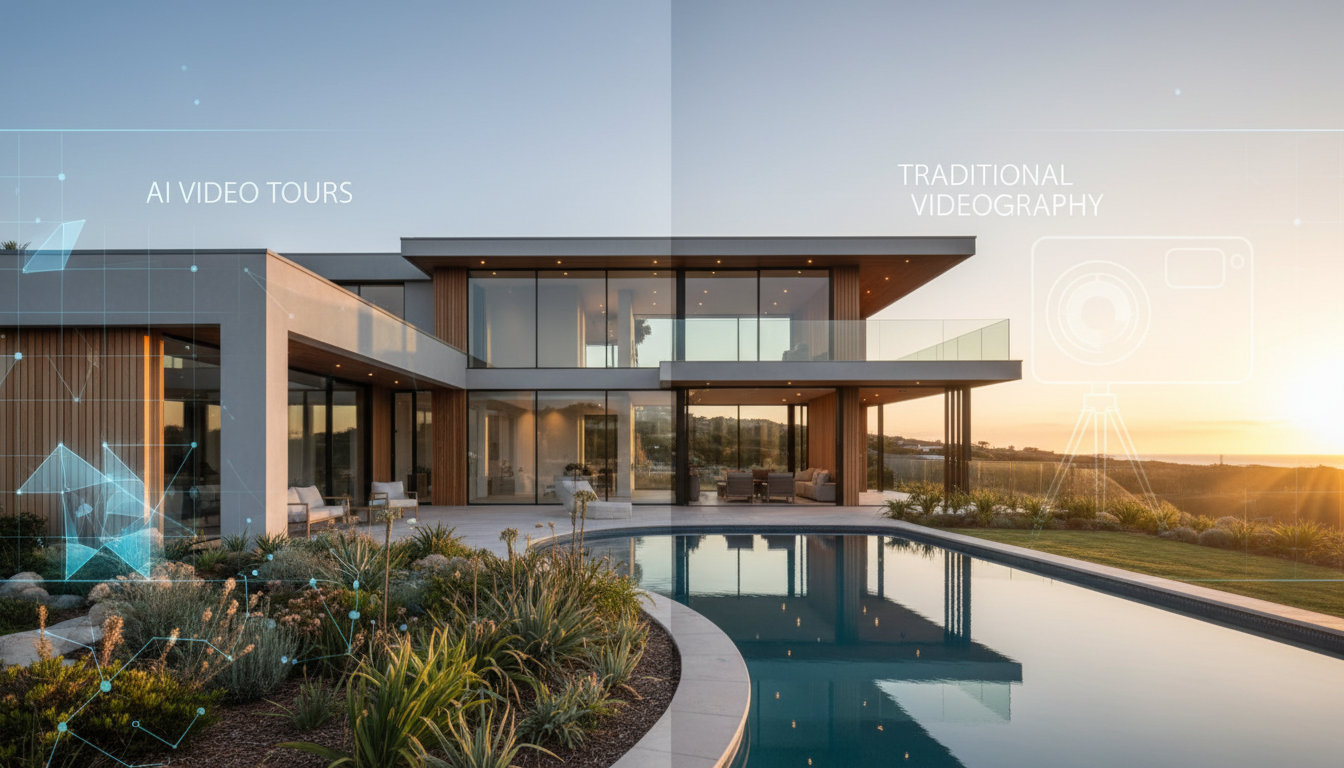
A recent study by Domain.com.au revealed a staggering insight: listings that feature video tours receive 45% more online engagement and generate 30% more qualified enquiries than those with photos alone. Historically, producing high-quality video has been a costly and time-consuming barrier for many. However, generative AI has completely levelled the playing field. Platforms like Vinto are at the forefront of this shift, empowering agents to simply upload their standard property photos and receive a polished, cinematic AI video walkthrough in under an hour. This technology analyses the images, understands the flow of the property, and stitches them together with smooth transitions, dynamic camera movements, and suitable music to create a compelling tour that feels like a professional videographer was on site.
By automating the creation of high-impact video content, agents can ensure every single listing gets the premium marketing treatment it deserves, without the premium price tag or logistical headaches. If you're new to this technology, exploring a complete guide to AI video tours is the perfect starting point to understand its full potential.
How AI in Real Estate Australia is Redefining Agent Efficiency
Beyond the glossy finish of marketing, AI is working tirelessly behind the scenes to streamline operations and give agents back their most valuable asset: time. A 2025 report from the Real Estate Institute of Australia (REIA) estimated that AI automation is already saving top-performing agents an average of 8-10 hours per week. This isn't about replacing the agent's expertise; it's about augmenting it by handling the repetitive, data-heavy tasks that can bog down a workday.
Automated Listing Descriptions
Staring at a blank page trying to find a fresh way to describe a three-bedroom home can be a real creativity drain. AI-powered writing assistants can now generate compelling, SEO-optimised listing descriptions in seconds. By inputting key features like location, size, amenities, and unique selling points, these tools craft engaging narratives that highlight the property’s best attributes, tailored for different platforms like your website, property portals, or social media.
Intelligent Lead Nurturing
Not all enquiries are created equal. AI-driven Customer Relationship Management (CRM) systems are becoming incredibly sophisticated. They can automatically score leads based on their online behaviour, segment them into relevant categories, and trigger personalised email or text message follow-ups. This ensures that every potential client receives timely and relevant communication, nurturing them through the sales funnel without the agent having to manually track every interaction. With research from CoreLogic indicating that 85% of prospective buyers now expect a personalised property search experience, AI is the key to delivering that service at scale.
Market Analysis and Pricing
Setting the right price is a blend of art and science. AI enhances the "science" part exponentially. Modern valuation tools use machine learning to analyse millions of data points in real-time—including recent comparable sales, local market trends, zoning regulations, and even economic indicators—to provide highly accurate pricing recommendations. This data-backed approach gives agents more confidence in their appraisals and helps them build a stronger case when advising their vendors, leading to faster sales and better outcomes.
Smarter Budgets: The Financial Impact of AI Adoption
The integration of AI in real estate Australia is not just about saving time; it's also about optimising budgets and boosting return on investment. The most significant financial win for many has been in content production. Traditional property videography can cost hundreds, if not thousands, of dollars per listing. Analysis shows that AI-generated video tours can slash these production costs by up to 90%.
This dramatic cost reduction democratises access to premium marketing tools. Solo agents, boutique agencies, and Airbnb hosts can now compete on a more even footing with larger firms, offering immersive video experiences for every property, not just their top-tier listings. To see a breakdown of the numbers, it's worth understanding how agents are cutting video costs with AI and reallocating those funds to other business-growth activities. This financial efficiency, combined with the increased engagement and faster sales that AI-driven marketing generates, creates a powerful cycle of profitability.
Looking Ahead: The Future is Generative and Predictive
If you think the current tools are impressive, the next wave of AI is set to be even more transformative. The focus is shifting from simple automation to sophisticated generation and prediction. Technology research firm Gartner predicts that by the end of 2026, generative AI will be responsible for creating over 50% of all digital property marketing content, from social media captions to virtual staging and video assets.
Imagine a future where AI can:
- Virtually stage a room in multiple styles based on a target buyer's demographic profile.
- Predict which homeowners in a suburb are most likely to sell in the next 6-12 months based on public data and behavioural analytics.
- Generate hyper-personalised marketing campaigns that speak directly to a buyer's unique needs and preferences.
This is the direction we are heading. The ongoing advancements in technology represent the future of property marketing, where data-driven insights and automated creativity converge. The role of the agent will evolve from a doer of all tasks to a strategic advisor, using AI-powered insights to guide clients with unparalleled expertise and building the deep, trust-based relationships that technology can never replace.
Ultimately, the successful real estate professional in 2026 and beyond will be the one who embraces technology not as a threat, but as a powerful partner. By leveraging AI to enhance marketing, streamline workflows, and make smarter financial decisions, they can elevate their service and achieve results that were once unimaginable. The continued rise of AI in real estate Australia is creating a more efficient, effective, and exciting industry for everyone involved.